
Planning your trip
The Mennonites of Cuauhtémoc, Chihuahua: Museum, Campos and a Stop on the Way to Creel
Visiting the Mennonite campos of Cuauhtémoc: the museum's 2026 hours and fees, the cheese, how to fit it into the drive to Creel, and what the advisories say.
Saved on this device: you can read this guide without signal.
Email me this guide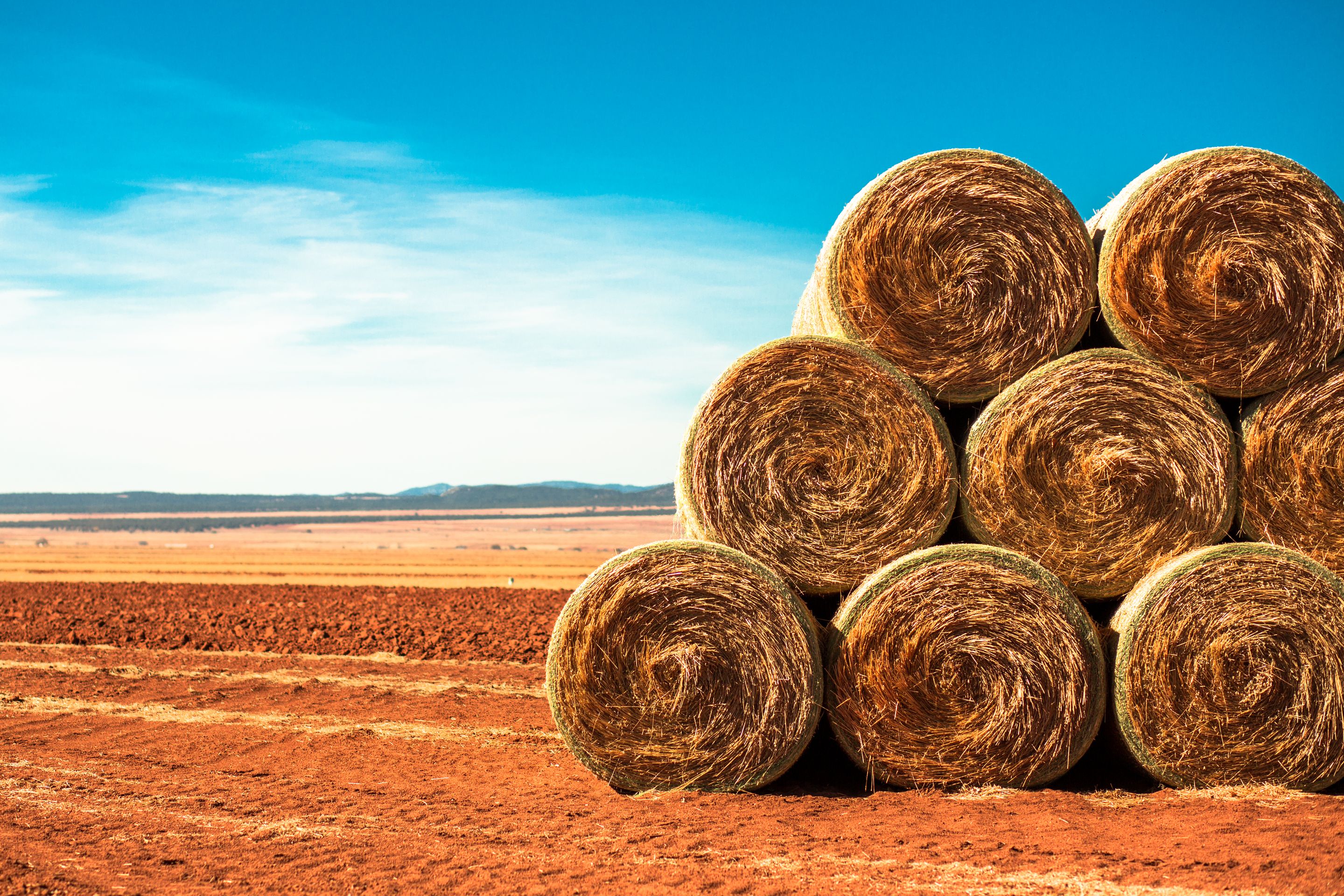
Since 1922, Mennonite farmers from Canada have worked the high plain around Cuauhtémoc, an hour and a half west of Chihuahua city on the road to Creel. Their villages, their cheese and their museum make one of the most unusual stops in northern Mexico.
Key facts
| Where | The campos (Mennonite villages) spread north and south of the city of Cuauhtémoc, Chihuahua, along the Corredor Comercial Manitoba |
| Distance by road | Chihuahua city to Cuauhtémoc: 105 km 65 mi, about 1 h 25 min · Cuauhtémoc to Creel: 155 km 97 mi, about 2 h 25 min |
| The museum | Museo y Centro Cultural Menonita, Km 10 Corredor Comercial Manitoba #1024 · Monday to Saturday, 9:00 am to 4:00 pm · closed Sunday |
| Museum entry, 2026 | MXN 70 booked online at least 12 hours ahead · MXN 100 at the door · every visit is a guided tour |
| Guided tour language | Spanish by default; English or German on request by email, a few working days ahead |
| Getting around | No public transport to the campos: a tour, your own car, a ride-hailing car or a transfer |
| Time to allow | Our suggestion: half a day for the museum, a drive through two or three campos and a cheese stop |
| Altitude | The city's weather station sits at 1,935 m 6,348 ft |
| Best season | Driest from February to May; most rain from July to September; frost on many winter nights |
| Travel advisories | U.S.: Chihuahua state is Level 3, Reconsider travel. Read the safety section below before you book |
The easy way: a guided tour from Chihuahua
If you would rather not drive, the Cuauhtemoc Mennonite Fields Tour picks you up at your hotel in Chihuahua city at 9 am and has you back around 2 pm: five hours with transport by minibus or bus, a guide who speaks English and Spanish, the entrance ticket and guided visit to the Mennonite Museum, and a tasting of Mennonite cheese and sausage. It can be booked up to one day ahead if seats are left, it can be cancelled free of charge up to 24 hours before, and it is not wheelchair accessible.
Heading on to the Sierra? The transfer from Chihuahua to Creel with a Mennonite community lunch does the road for you and turns the Cuauhtémoc stop into the middle of the day. More on both options, and on driving yourself, in How to get there.
Who the Mennonites of Cuauhtémoc are
The families who settled here are Old Colony Mennonites, part of the Anabaptist tradition. Their forebears had moved from the Russian Empire to western Canada in the 1870s with the promise that they could run their own schools. When Canada withdrew those school privileges and moved to bring their schools under the public system, the most traditional congregations saw a direct threat to their faith and began looking for a country that would let them keep their own.
Mexico, coming out of the revolution with its northern economy in crisis, was promoting farm colonies to put the land back to work. President Álvaro Obregón signed the Privilegium, a letter of guarantees addressed to the Old Colony church: no military service, no obligation to swear oaths, freedom to live by the rules of their church, their own schools with their own teachers, and freedom to manage their property in their own way. In 1921 two companies formed by the colonists bought a large part of the San Antonio valley, land of the former Hacienda de Bustillos, from Carlos Zuloaga.
The first settlers came by rail to the station of San Antonio de los Arenales, arriving on March 8, 1922. That station is the origin of today's city: the town grew around it as a trading point, Cuauhtémoc became a municipality of its own by a decree of July 12, 1927, and the State of Chihuahua has declared 2027, its hundredth year, the "Year of the Centenary of the Founding of the Municipality of Cuauhtémoc, land of the Three Cultures". The three cultures are the mestizo Mexican majority, the Mennonites and the Rarámuri, the Indigenous people of the Sierra Tarahumara.
The settlers founded two colonies, Manitoba and Swift Current, named after the places in Canada they came from, with villages laid out like the Mennonite villages of Ukraine a century earlier. The Manitoba colony, the larger one, began with 47 villages north and south of the railway station.
The early years were hard. The valley is semiarid, crops could only be sown when the rains arrived in June or July, and the first farmers lost harvests trying the crops and methods they had used in Canada. A long drought in the early 1950s brought relief from the Mennonite Central Committee, and several hundred settlers went back to Canada in 1954. Leaving has been part of the story ever since: many members of the Swift Current colony, in particular, moved on to Belize, Bolivia and Paraguay.
How many Mennonites live around Cuauhtémoc today? We found no official figure: the census counts people by municipality, not by church, and the estimates that circulate vary widely. What the 2020 census does say is that the municipality of Cuauhtémoc had 180,638 inhabitants, the third largest in the state after Juárez and Chihuahua, and that it was home to 4,027 people born in another country, also the third highest in Chihuahua.
How the campos work
The colonies are organized in campos, villages with a number and a German name: Neuenburg is Campo 21, Blumenort is Campo 22, Gnadenfeld is Campo 2B, and there is even a Campo 6½. Each campo is made of at least 20 homes and family farms, a traditional Mennonite school and, in some, a church. The farmyards line both sides of a broad main street, with the fields behind them, the same pattern the settlers brought from Canada. Oats, corn and beans were the first crops; apples came later and became an industry of their own.
Through the Manitoba colony runs the Corredor Comercial, the highway north of the city where Mennonite businesses, shops, a hotel and the museum stand. It is the part a visitor sees first, and it can surprise anyone who expects only horse-drawn buggies: a large part of the colony changed over to motor vehicles decades ago.
The quieter Mennonite world starts once you turn off the Corredor onto a campo's main street. The campos are private residential areas. The museum's guidance is that you can drive along the main street but should respect the boundaries of each property. In practice, our suggestion: stay on the street, and don't walk into yards or pull into driveways to look around.
Faith, language and daily life
The church has always been the strongest institution in the colonies, and for generations church membership and belonging to the community were the same thing. Worship in the Old Colony churches was long and plain: backless wooden benches, hymns sung without instruments, the sermon read in High German. Today practice varies a great deal from one congregation to the next. The Old Colony church remains, and over the decades other Mennonite and evangelical churches have opened their own congregations and schools in the colony, some of them far more open to modern life.
Change came to the Manitoba colony in steps: a highway through it in the early 1960s, a power line in the 1980s, motor vehicles, the apple business and the growth of the city next door all broke down the old isolation.
For the most traditional families, clothing belongs to the faith in the same way as language, schooling and the village pattern. The campos have three main branches of the church: the Old Colony, the Kleine Gemeinde and the Conference churches, a loose term for the less traditional and evangelical congregations. They differ in dress, in how they worship, in the language and schools they choose and in how much they mix with non-Mennonites, so do not expect one uniform look.
Women's lives in the campos have changed too. Since at least 2008 the state government has had an office for the campos, today called Chihuahua Amanece Para Todos en la Comunidad Menonita, with a special focus on women and children in traditional communities. At the Mexican Red Cross delegation in Campo 101, Mennonite and mestizo volunteers work side by side, and by 2018 about 20 Mennonite women had trained as certified paramedics, with first aid courses taught in Low German.
The language of home is Low German (Plautdietsch); High German is the language of the Bible, the hymns and, traditionally, the classroom. Do not count on English in a cheese shop or a village store: a translation app helps.
If you want to see the campos before you go, watch Silent Light (Stellet Licht), Carlos Reygadas's film about a Mennonite family in northern Mexico, which shared the Jury Prize at the Cannes Film Festival in 2007.
Two things a visitor should keep in mind. First, this is a living religious community, not a heritage village staged for tourists: people are farming, going to school and going to church, and they did not choose to be part of your trip. Second, a camera can feel intrusive in a small village. Photograph the fields, the orchards and the museum freely; ask before you photograph a person, and take no for an answer.
The Mennonite Museum
The Museo y Centro Cultural Menonita is a non-profit association founded on June 6, 2000, to preserve and share the heritage of the community. Its first exhibit, a replica of a traditional Mennonite house modeled on the home of Bernhard Enns in the village of Rosenthal, opened in 2001. The museum has grown since then and now receives more than 70,000 visitors a year.
Every visit is a guided tour led by one of the museum's own guides. Entry includes an introductory video, the guided tour through the exhibition rooms and permission to take photos inside. The tour covers history, religion, way of life, dress, customs, languages and work, and the guides welcome questions, including the awkward ones.
| Museum visit, 2026 | |
|---|---|
| Hours | Monday to Saturday, 9:00 am to 4:00 pm · closed Sunday |
| Address | Km 10 Corredor Comercial Manitoba #1024, 31607 Cuauhtémoc, Chihuahua |
| Entry booked online | MXN 70 per person, at least 12 hours before your arrival |
| Entry at the door | MXN 100 per person (any ticket bought the same day is at the door price) |
| Free entry | Children 6 and under with their parents · people with disabilities |
| Tour language | Spanish by default · English or German on request by email, answered in 2 to 3 working days |
| Arrival window | 10 minutes either side of your booked time; outside it, entry depends on space |
| Changes and refunds | One change of date allowed up to 24 hours ahead, for MXN 10 per person · tickets are not refundable |
| Group size | Up to 50 people per tour time |
| On site | A souvenir shop with products of the region and Simons Kaffee, a café with Mennonite home baking and espresso |
Two practical notes. If you want the tour in English, request it by email when you book, not on the day. And the museum warns that map apps sometimes suggest a turn onto a dirt road: the museum is right on the Corredor Comercial, so stay on the highway and let the app recalculate.
Mennonite cheese, the taste of Cuauhtémoc
Cheese is the campos' best-known product, and it has deep roots: by the early 1950s cheese factories were scattered all through the colonies, buying the farms' milk and giving work to young men without land. The industry grew out of the farm crisis of the 1940s, when settlers formed cooperatives in which each member delivered milk every day so that, together, they could count on a steady income.

One of those cooperatives, Bajío de Abajo, started work on June 1, 1950 with 175 members, each of whom put in 1,250 pesos, and an initial 1,500 liters of milk a day. Today its Quesería Pampas, in Campo 1B, receives about 27,000 liters a day and offers visits to the plant with an explanation of how the cheese is made, by reservation; the museum's website lists the contact. At the museum itself, the shop sells products of the region and the café serves Mennonite home baking, and the guided tour from Chihuahua includes a cheese and sausage tasting.
What else to see in the campos
- Three campos close to the museum and easy to reach: Neuenburg (Campo 21), Blumenort (Campo 22) and Gnadenfeld (Campo 2B).
- The Mirador Campos Menonitas, a viewpoint near Hochfeld (Campo 10) with a wide view over the fields, if you have a little more time.
- Quesería Pampas in Campo 1B, for a visit to a working cheese plant (book ahead).
- Downtown Cuauhtémoc, the city that grew around the railway station, where the Chepe Regional still stops.
How to get there
The campos have no public transport. The museum recommends visiting with a tour operator, by ride-hailing car or by rental car. Here are the options compared:
| Option | Best for | What to know |
|---|---|---|
| Guided tour from Chihuahua | A day trip without driving | 9 am to about 2 pm, hotel pickup, English- and Spanish-speaking guide, museum and cheese tasting included |
| Private transfer Chihuahua to Creel with Mennonite lunch | Travelers heading to the Sierra | About 9 hours door to door, a Spanish-speaking driver, around five hours with a Mennonite community and lunch, arrival in Creel around 7 pm |
| Your own car | Flexibility, combining with the drive to Creel | MEX 16 west from Chihuahua; the museum is on the Corredor north of the city. Drive in daylight |
| Bus to Cuauhtémoc, then a car | Budget travelers | Buses run from Chihuahua to Cuauhtémoc; from the city to the campos you still need a car |
| Chepe Regional train | Not practical for this visit | It stops in Cuauhtémoc, but only twice a week in each direction, so you cannot get off, visit and continue the same day |
Distances and driving times
Our own routes on OpenStreetMap data, without stops:
| From | To | Distance | Time without stops | Main roads |
|---|---|---|---|---|
| Chihuahua city | Cuauhtémoc (downtown) | 105 km 65 mi | about 1 h 25 min | MEX 16 |
| Chihuahua city | Mennonite Museum | 119 km 74 mi | about 1 h 36 min | MEX 16, then the Corredor Comercial |
| Cuauhtémoc (downtown) | Mennonite Museum | 14 km 9 mi | about 15 min | Corredor Comercial (CHIH 5) |
| Mennonite Museum | Creel | 162 km 101 mi | about 2 h 31 min | MEX 16 to La Junta, then CHIH 25 |
| Cuauhtémoc (downtown) | Creel | 155 km 97 mi | about 2 h 25 min | MEX 16 to La Junta, then CHIH 25 |
| Ciudad Juárez | Cuauhtémoc | 470 km 292 mi | about 6 h 16 min | MEX 45D to Chihuahua, then MEX 16 |
The museum's address is Km 10 of the Corredor; the point that OpenStreetMap marks for it is a little farther north, so allow a few minutes either way. For the full road to the Sierra, including what to expect from La Junta onwards, see our guide to driving to Copper Canyon.
A stop on the way to Creel
This is where Cuauhtémoc fits best: it sits right on the road from Chihuahua to Creel, so the Mennonite fields can be the stop that breaks up the drive. A day that works:
- Leave Chihuahua around 8:30 am on MEX 16 west. At about 1 h 36 min without stops, you reach the museum around 10 am.
- Museum tour, 10:15 am to noon, booked online the day before (it is cheaper and guarantees your time).
- Cheese and lunch, noon to 1:30 pm on the Corredor or downtown.
- Leave by 1:30 pm for Creel, about 2 h 31 min without stops, to arrive in daylight with time for a break at La Junta or San Juanito.
That plan does not work on a Sunday, when the museum is closed. Going the other way, from Creel back to Chihuahua, the same stop works in reverse: leave Creel in the morning and reach the museum before its last tours.
What about the train?
The Chepe Regional, the only passenger train from Chihuahua city, stops in Cuauhtémoc. It leaves Chihuahua at 6:00 am on Tuesdays and Saturdays, reaches Cuauhtémoc at 8:25 am and Creel at 11:47 am; the return passes Cuauhtémoc at 8:07 pm on Wednesdays and Sundays and reaches Chihuahua at 10:34 pm. The 2026 fare from Chihuahua to Cuauhtémoc is MXN 770. With only two trains a week each way, getting off in Cuauhtémoc means waiting days for the next one, so for this visit the road is the practical choice. How to book the Regional and the rest of the options to the Sierra are in Chihuahua to Creel and How to visit Copper Canyon by train.
Weather in Cuauhtémoc
Cuauhtémoc sits on a high plain, and it feels like it: dry most of the year, with nights below freezing in winter and most of the year's rain falling from July to September. Climate normals for the Cuauhtémoc weather station, 1971–2000:
| Month | Average high | Average low | Rain | Days with rain |
|---|---|---|---|---|
| Jan | 16.2 °C 61 °F | -2.5 °C 28 °F | 12.2 mm (0.5 in) | 3 |
| Feb | 18 °C 64 °F | -1.1 °C 30 °F | 8.1 mm (0.3 in) | 3 |
| Mar | 20.9 °C 70 °F | 1 °C 34 °F | 5.2 mm (0.2 in) | 2 |
| Apr | 24.4 °C 76 °F | 3.9 °C 39 °F | 5.5 mm (0.2 in) | 2 |
| May | 27.4 °C 81 °F | 6.6 °C 44 °F | 11.8 mm (0.5 in) | 3 |
| Jun | 30.5 °C 87 °F | 11.1 °C 52 °F | 43.8 mm (1.7 in) | 9 |
| Jul | 27.9 °C 82 °F | 12.8 °C 55 °F | 128.6 mm (5.1 in) | 16 |
| Aug | 26.7 °C 80 °F | 12.1 °C 54 °F | 126.3 mm (5.0 in) | 16 |
| Sep | 25.7 °C 78 °F | 10.1 °C 50 °F | 100.8 mm (4.0 in) | 12 |
| Oct | 23.4 °C 74 °F | 4.8 °C 41 °F | 32.7 mm (1.3 in) | 5 |
| Nov | 19.7 °C 67 °F | 0.1 °C 32 °F | 12.6 mm (0.5 in) | 2 |
| Dec | 16.9 °C 62 °F | -2.2 °C 28 °F | 10.9 mm (0.4 in) | 3 |
In our view, the most comfortable months for a visit are March to May and October to November: dry and mild by day. From July to September, plan the outdoor part of the day for the morning. From December to February, dress in layers: the afternoon can be pleasant and the morning well below freezing. For the whole route, see our guide to the best time to visit Copper Canyon.
Where to stay
Most visitors see the campos as a day trip from Chihuahua city or as a stop on the way to Creel, and sleep in one of those two. If you want an early start in the fields or a quiet night after the drive, Cuauhtémoc has hotels downtown and along the Corredor Comercial: compare hotels in Cuauhtémoc on Booking.com. For the city and the Sierra, see things to do in Chihuahua and things to do in Creel.
Is it safe to visit Cuauhtémoc from the U.S.?
We do not tell you it is safe or that it is dangerous: here is what three governments say, and how it applies to this trip.
- United States. The U.S. State Department advisory for Mexico issued on May 29, 2026 lists the state of Chihuahua at Level 3, Reconsider travel, due to terrorism, crime and kidnapping, and says U.S. government employees may not travel to certain areas of Chihuahua, including Copper Canyon. The advisory includes a map of the areas where its employees may and may not go; read it, and check that your exact route is covered, before you book.
- United Kingdom. The UK government advises against all but essential travel to the state of Chihuahua, with exceptions that include the city of Chihuahua, the Copper Canyon rail route and the towns on it, including Creel, the road from Creel via San Juanito to San Pedro, and state highway 16 from San Pedro to Chihuahua. The city of Cuauhtémoc lies on both the rail route and highway 16. The campos along the Corredor Comercial, north of the city, are off those routes, so by our reading they fall in the area where the UK advises against all but essential travel. The UK also advises completing all your activities in daylight.
- Canada. The Government of Canada asks its citizens to avoid non-essential travel to the state of Chihuahua, excluding Chihuahua City. That includes Cuauhtémoc and the campos, worth knowing if you are a Canadian visiting colonies founded by settlers from western Canada.
Advice that changes the risk, whatever you decide:
- Travel in daylight and plan to be at your hotel before dark.
- Stay on MEX 16 and the main paved roads; the museum is on the Corredor, with no need to take dirt roads.
- Consider a guided tour or a transfer instead of driving yourself, especially on your first trip.
- Tell someone your plan for the day, and enroll in the U.S. State Department's Smart Traveler Enrollment Program (STEP).
- Check the advisories again a week before you travel, and buy travel insurance that covers this region and doesn't exclude areas under an advisory.
Our full reading of the advisories for the Copper Canyon route is on our safety page.
A printable checklist
- Check the U.S., UK or Canadian advisory for Chihuahua in the week before you travel.
- Book the museum online at least 12 hours ahead, and email for an English tour if you need one.
- Avoid Sunday: the museum is closed.
- Plan the drive so you arrive at your next stop in daylight.
- Bring Mexican pesos in cash for cheese shops and small purchases.
- Pack layers: frost on winter mornings, storms on summer afternoons.
- Load a translation app for shops in the campos.
- Ask before photographing anyone; stay on the main street of each campo.
- If you continue to Creel, keep the evening free: it is a drive of about 2 h 31 min from the museum.
Frequently asked questions
Is the Mennonite Museum in Cuauhtémoc open on Sundays?
No. The museum opens Monday to Saturday from 9:00 am to 4:00 pm and is closed on Sundays.
How much does the Mennonite Museum cost?
In 2026, MXN 70 per person if you book online at least 12 hours ahead, or MXN 100 at the door. Children 6 and under with their parents and people with disabilities enter free. Every visit is a guided tour.
Are the museum tours in English?
Tours are in Spanish by default. You can ask for a tour in English or German by email when you book; the museum answers within 2 to 3 working days.
Can I visit the Mennonite campos without a tour?
Yes, by car. You can drive along the main street of each campo, but the campos are private residential areas, so stay off private property and ask before photographing people. There is no public transport to the campos.
How far is Cuauhtémoc from Chihuahua city?
About 105 km 65 mi, roughly 1 h 25 min on MEX 16 without stops; the Mennonite Museum is about 14 km 9 mi farther, north of the city.
Can I stop in Cuauhtémoc on the Chepe train?
The Chepe Regional stops in Cuauhtémoc, but it runs only twice a week in each direction, so you cannot get off, visit the campos and continue the same day. Visiting on the road to Creel, by car or with a transfer, is more practical.
Is it safe to visit the Mennonite communities in Cuauhtémoc?
The U.S. advisory issued on May 29, 2026 lists Chihuahua state at Level 3, Reconsider travel. The UK advises against all but essential travel to the state outside a list of exceptions, and Canada asks its citizens to avoid non-essential travel outside Chihuahua City. Read them before you decide, travel in daylight and consider a guided tour.
Recommended hotels
Recommended tours
Send me this guide
Everything on this page in your inbox: the schedules and the booking links. Handy for planning, printing or reading on the train.
Sources
- Museo y Centro Cultural Menonita: the museum, hours and location, entry prices, reservation policy, the campos, cheese factories, shop and café
- Congress of the State of Chihuahua: decree declaring 2027 the centenary of the Municipality of Cuauhtémoc (2026)
- INEGI: Population and Housing Census 2020, main results for Chihuahua
- Global Anabaptist Mennonite Encyclopedia Online (GAMEO): Manitoba Colony (Chihuahua, Mexico))
- Global Anabaptist Mennonite Encyclopedia Online (GAMEO): Cuauhtémoc Mennonite Settlement)
- Journal of Mennonite Studies: Abigail Carl-Klassen and Jonathan Klassen, «Rebels, Exiles, and Bridge Builders: Cross-Cultural Encounters in the Campos Menonitas of Chihuahua»
- Global Anabaptist Mennonite Encyclopedia Online (GAMEO): Old Colony Mennonites
- Festival de Cannes: Stellet Licht (2007) and the 2007 Jury Prize
- Servicio Meteorológico Nacional: climate normals for Cuauhtémoc, station 8026 (1971–2000)
- Chepe: Chepe Regional schedules and fares
- U.S. Department of State: Mexico travel advisory
- GOV.UK: Mexico travel advice, warnings and insurance
- Government of Canada: Mexico travel advice
- OpenStreetMap: road data (© OpenStreetMap contributors, ODbL)